
Guides · Rod linkage
Rod linkage design & cost guide
A rigid linkage is two ends and a rod. The end you choose drives performance and cost.
Most rigid linkages come down to two ends joined by a rod or tube. The body style and material of the end is where performance and price are decided.


The end drives the cost
This comparison loads the current published website price at a 500-piece quantity:
| Linkage end | Published unit price at 500 | Notes |
|---|---|---|
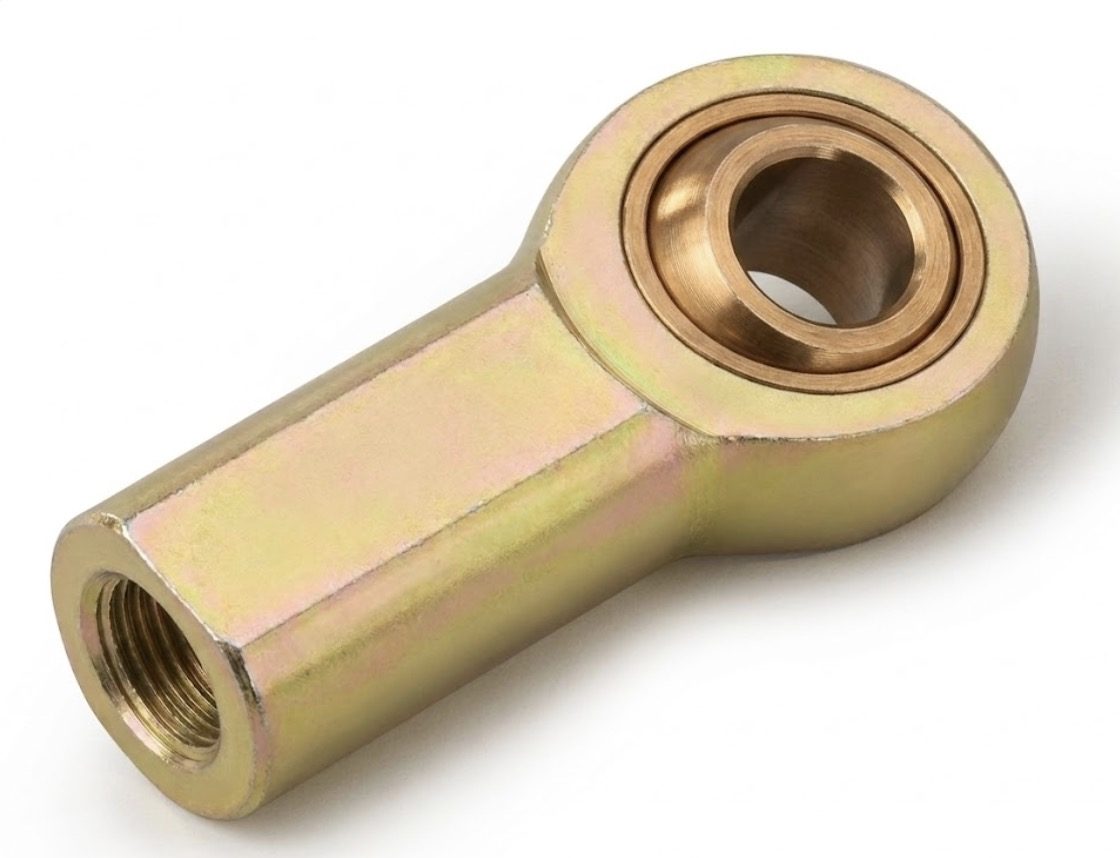
| Female spherical rod end MSF-6-ZCHF | Loading… | Race: steel / PTFE / nylon / bronze; housing: steel / stainless / aluminum / chrome-moly |
| Spherical rod end with stud MSF-6S-ZCHF | Loading… | Quick-disconnect ball-stud option |
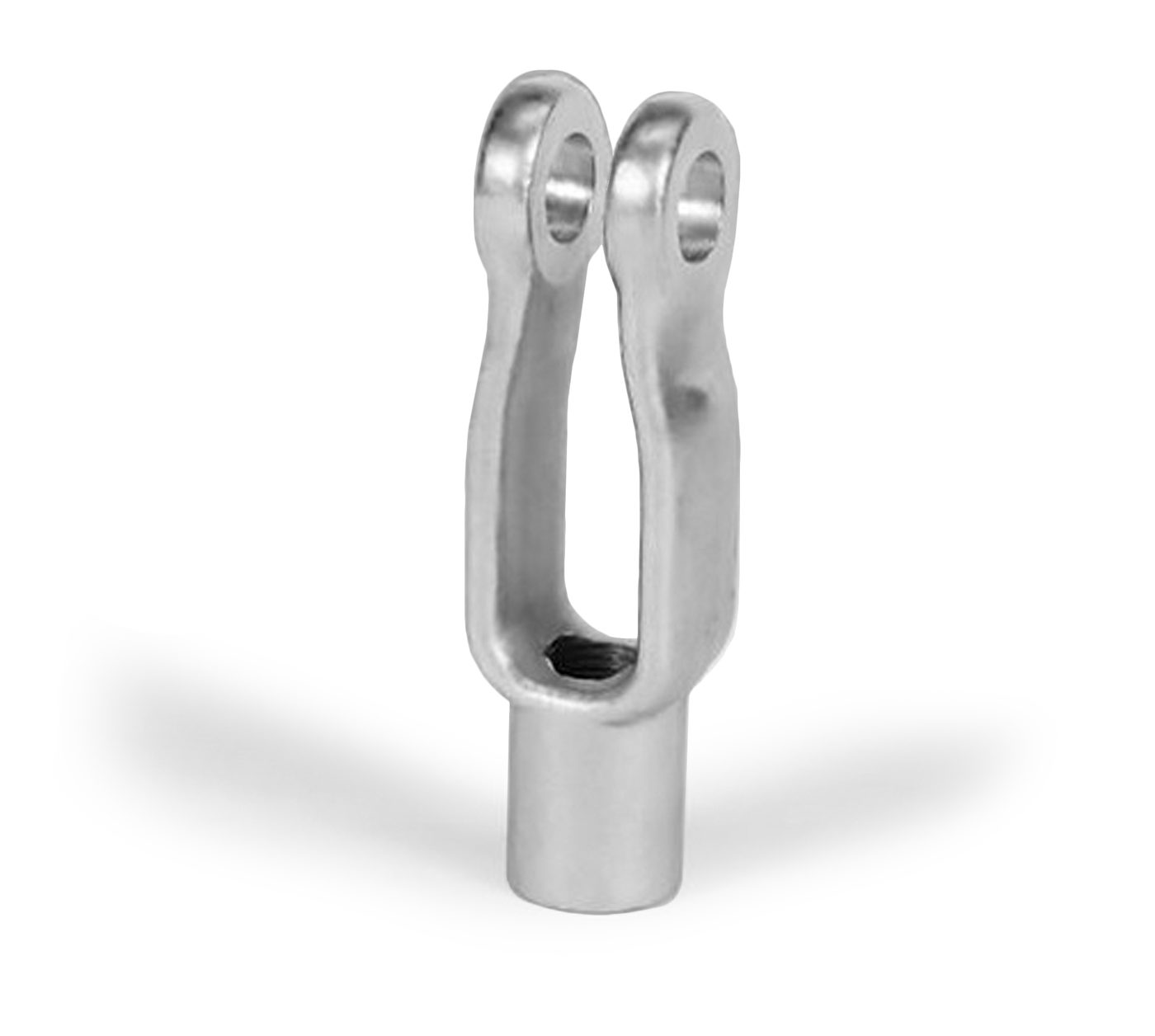
| Forged yoke end 280380-ZCHF | Loading… | Made in-house; offset or inset |
| Turned clevis MTC-10S-ZCHF | Loading… | Steel / aluminum / stainless; pairs with a clevis spring pin |
| Ball joint Qi250 | Loading… | Full line imported; 700,000+ in stock |
Current published website pricing, not a quotation. Prices come from the same quantity-break data as the catalog and update when that data is published.
Buy it as an assembly and save
Add a custom-length threaded rod, two jam nuts, and assembly labor, and the line-item total drops versus sourcing the pieces separately and assembling them yourself. We discount the ends when they ship with the rod, tube, or cable they go on. This isn’t a gimmick: our cost model charges per invoice and per shipment, not per line, so adding boots, seals, jam nuts, weld-in bungs, rods, tubes or cables to one bill of material spreads the handling and lowers the effective price of each piece.
The full range of linkage ends
Over 2,000 standard designs span ball joints, clevis and yoke ends, spherical rod ends, eye rod ends, swivels, and the hardware that goes with them. Inch and metric; housings in plated steel, stainless, heat-treated chrome-moly and aluminum; races in steel, nylon, PTFE, slotted nylon and bronze; male and female, traditional and offset, with or without integral studs and grease zerks. We’re competitive at any volume, with live online pricing and inventory for in-stock orders and same-day quotes on projects over $350.
Spherical rod ends
Our deepest family. The choice comes down to housing material and bearing race. Two-piece (ball swaged in a housing) is the economical workhorse, strong and durable with a little more play, well suited to non-cab hand, foot and cable linkages. Nylon and PTFE race ends give a smooth, low-play feel for the same hand/foot/cable work; we treat the two as interchangeable. Bronze race suits high-frequency motion such as packaging machinery. Stainless (PTFE race) is for corrosive or marine environments. Chrome-moly with a slotted nylon race is the high-strength motorsport choice, often in twin-shear. Chrome-plated PTFE ends are a cosmetic, non-suspension motorsport option, and our patented offset and vibration-damping isolated ends cover the special cases.




Ball joints
Inch and metric, standard and DIN, in steel, stainless, chrome and aluminum, including turnbuckle, quick-disconnect, inline, damper-control and cast-housing styles. If a linkage needs angular movement at the joint, there’s almost certainly a body style here that fits.


Clevis & yoke ends
SAE forged yoke ends, DIN turned clevises, bent and insert yokes, half clevises for tight clearances, and our patented turnbuckle barrel clevises, in steel, stainless, aluminum and plastic. Attaching pins and clips are highly competitive when bought with the clevis or yoke they serve.




Eye rod ends & swivels
Male and female eye rod ends, threaded and adjustable, plus valve rod ends and a range of swivels for the spots a rod end or clevis doesn’t fit.


Accessories
Boots, face seals, jam nuts, weld-in thread bungs, safety washers, drop-link spacers, clevis pins and clips. Added to a linkage they protect the joint, and because of how we bill, they usually lower the effective price of the assembly rather than raise it.


General selection guidance, not application advice. Suitability of any linkage end for a specific application is the customer’s responsibility. Tell us what it has to do and we’ll help identify options.